Why Does My Child Grind Their Teeth?
Why Does My Child Grind Their Teeth?
“Why does my child grind their teeth?” is one of the most common questions we hear during myofunctional therapy assessments and in the dental office.
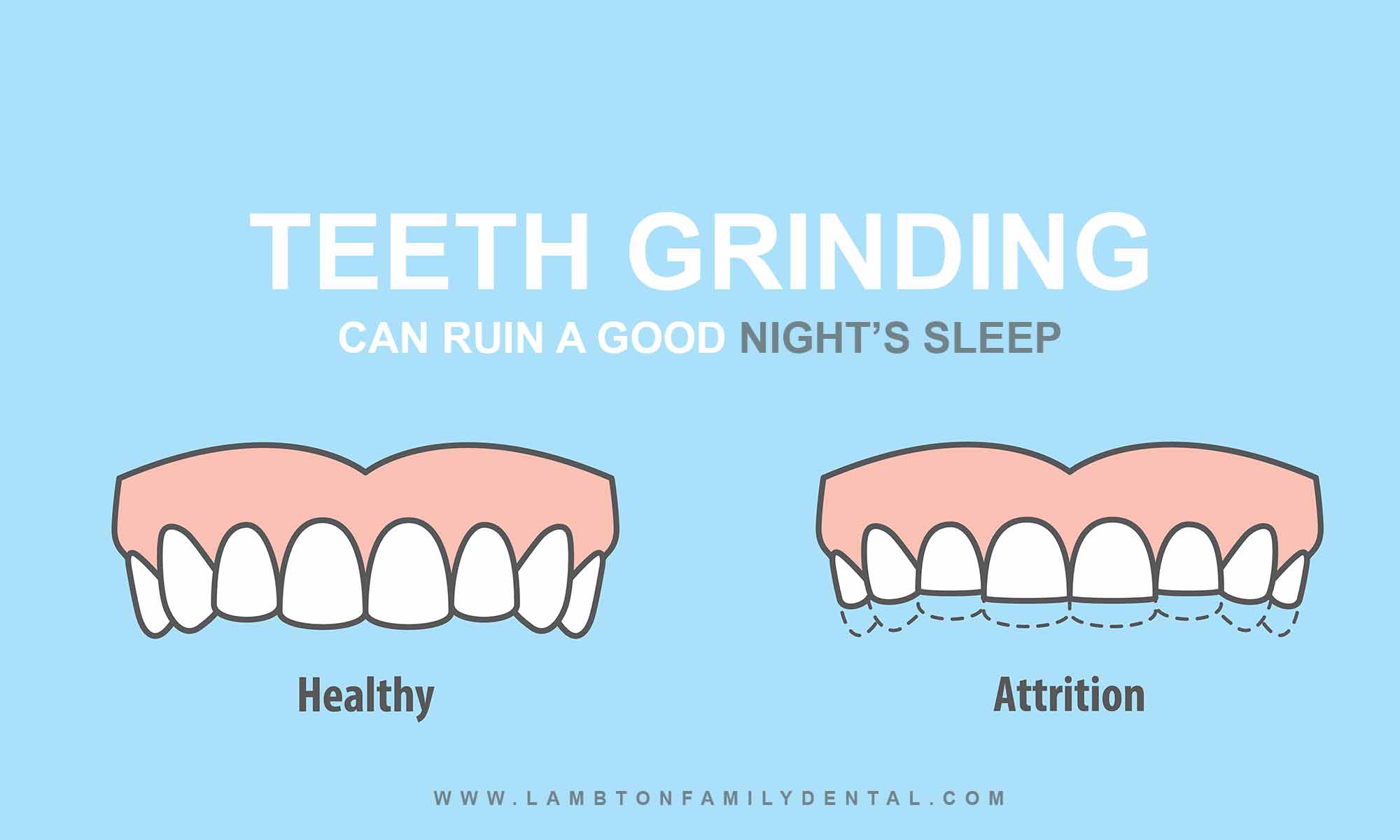
For a long time, parents have been told that teeth grinding in children is normal and that they’ll simply grow out of it. And while occasional grinding can happen, frequent grinding - especially when it’s loud, persistent, or causing noticeable wear on the teeth, is worth looking into.
Rather than simply focusing on the grinding itself, I like to ask: Why is the body doing it?
There are several factors we may want to consider.
1. Teething
For very young children, grinding may simply be related to teething.
As new teeth erupt, children experience different sensations and discomfort in their gums and jaw. Moving or grinding the jaw may be one way they respond to those sensations.
Once your child is past the active teething stage, however, persistent grinding deserves a closer look.
2. Breathing & Airway
One of the biggest things I consider when a child is grinding their teeth is what their breathing looks like during sleep.
Is their airway open and well-supported? Or is something making breathing more difficult?
When breathing becomes challenging during sleep, the body may make movements involving the tongue and jaw as it works to maintain airflow. Grinding or clenching can occur alongside sleep-related breathing problems.
This is why I start asking questions such as:
Does your child sleep with their mouth open?
Do they snore or breathe loudly?
Are they frequently congested or sniffly?
Do they have enlarged tonsils or adenoids?
Where does their tongue rest?
Is their sleep restless?
Grinding may be just one piece of a bigger sleep and breathing picture.
3. Bite & Dental Factors
Sometimes we need to look directly at the teeth and bite.
A sore tooth, changes in the bite, or other dental and orthodontic factors may contribute to jaw movements and grinding.
This is where your dentist and, when appropriate, an orthodontist can be helpful in assessing how the teeth and jaws are developing and whether there are concerns with the bite.
4. Stress
Stress can absolutely play a role in clenching and grinding.
When our nervous system is under increased stress, we often carry tension in our muscles. This is often seen in the muscles of the jaw.
But I don't like assuming that a child who grinds every night is simply “stressed.”
If stress appears to be contributing, it is still worth asking what may be causing that stress and whether your child needs additional support.
5. Other Health Considerations
You may also hear parasites mentioned as a possible cause of teeth grinding. While this association is sometimes discussed, grinding alone is not enough to determine that a child has a parasitic infection, and routine parasite cleanses should not be started based on grinding alone.
If your child has other symptoms or there is a genuine concern about possible exposure, that is something to discuss with their healthcare provider so appropriate testing and treatment can be considered.
So, When Should You Look Deeper?
If you occasionally hear your child grind their teeth, it doesn't necessarily mean something is wrong.
But if the grinding is happening consistently, is very loud, or your child's teeth are showing enough wear that your dentist is commenting on it, it's worth asking why.
If we can rule out teething and obvious dental factors, we may want to look more closely at sleep, breathing, oral function, and airway health.
Depending on your child's symptoms, their care team might include:
A dentist or physician to assess the teeth, tonsils, general health, and possible airway concerns
An ENT if enlarged tonsils, adenoids, chronic congestion, or nasal obstruction are suspected
A myofunctional therapist to assess tongue posture, oral function, nasal breathing, and other contributing factors
An orthodontist to assess the bite, jaw development, and dental development
A therapist or other appropriate professional if stress or anxiety appears to be contributing
Grinding As a Clue
The biggest takeaway I want parents to have is this:
Don't panic when you hear grinding, but don't automatically dismiss persistent grinding as something your child will simply grow out of either.
Grinding can be a clue that encourages us to look more closely at what is happening with your child's teeth, jaw, breathing, sleep, and overall function.
Sometimes, asking why is the first step toward finding the right support.